
Protect your family with pure water for drinking, bathing, and appliances.

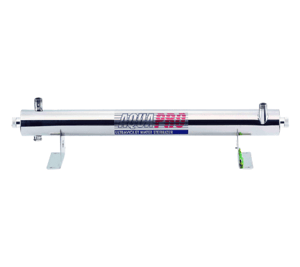
Searching for the right water filter can be an overwhelming experience. With so many different types of filters and processes available, it’s easy to feel lost when trying to compare them.
Whether you’re looking to improve your health, protect your home’s water supply, or simply enjoy better-tasting water, choosing the best filtration system is critical. But where do you start? Understanding how each filtration process works will help you make an informed decision and find the best water filter for your home.
We all know that our water needs to be filtered to be healthy. This is why water treatment plants exist! However, their processes aren’t always enough to ensure the best water quality, which is why installing a water filter in your home is now essential for long-term health. Not all water filter systems are the same, though. The difference lies in the filtration process each one offers. Let’s compare the most common filtration processes to help you make the right choice for your needs.
Filtration Processes Comparison
| Filtration Type | What It Removes | What It Doesn't Remove | Pros | Cons |
|---|---|---|---|---|
| Sediment/Mechanical Filtration | Physical particles like dust, dirt, and rust | Chemicals, toxins, bacteria, viruses | Great for removing large particles; often used as a pre-filter | Does not remove finer contaminants or microorganisms |
| Activated Carbon Filtration | Pesticides, organic matter, chlorine, magnesium | Chemicals, toxins, bacteria, viruses | Improves the taste of water; removes chlorine | Needs replacement frequently to stay effective |
| Ion Exchange Filtration | Calcium, magnesium (hard water) | Organic material, physical particles, bacteria | Removes hard water minerals, improving water supply quality | Does not filter out microorganisms or chemicals |
| Reverse Osmosis Filtration | Toxins like arsenic, fluoride, copper, nitrates, salt, waterborne bacteria | Some organic contaminants, microorganisms, dissolved gases | One of the most comprehensive types of water filter systems | High water consumption; can lower water pressure |
| UV Light Filtration | Bacteria, viruses | Physical particles, chemicals, toxins, dirt, dust | Excellent for killing harmful microorganisms | Must be paired with another filtration system for best results |
Why Are You Looking for a Water Filter?
The decision to install a water filter often comes from a desire to improve the quality of water in your home. Perhaps you’ve noticed unpleasant tastes or odours in your tap water. Maybe you’re concerned about contaminants or chemicals like chlorine, which can have harmful effects on your health. Or, you may have hard water that’s damaging your appliances and leaving residue on your dishes. No matter the reason, the goal is the same: you want cleaner, healthier, and safer water.
As you begin researching different water filter systems, it’s easy to feel overwhelmed by the sheer number of options. From sediment filters to reverse osmosis systems, the choices can be confusing. That's why understanding the pros and cons of each filtration process is important. It helps you make an informed decision tailored to your specific water needs.
Why the Great Water Filters Wellness System Is the Best Option
After considering the different types of water filtration processes, you might be wondering which one is truly the best. The answer lies in combining the strengths of multiple processes to ensure comprehensive water filtration. The Wellness Water Filter by Great Water Filters is the best water filter in Australia for whole-house filtration. Here’s why:
It combines sediment filtration, activated carbon, and ion exchange technologies to deliver cleaner, softer water throughout your entire home. This system not only removes physical particles like dirt and rust but also filters out harmful chemicals like chlorine, magnesium, and other contaminants. It’s particularly effective for homes with hard water, ensuring that minerals like calcium and magnesium are replaced with healthier sodium ions, improving the quality of your water supply.
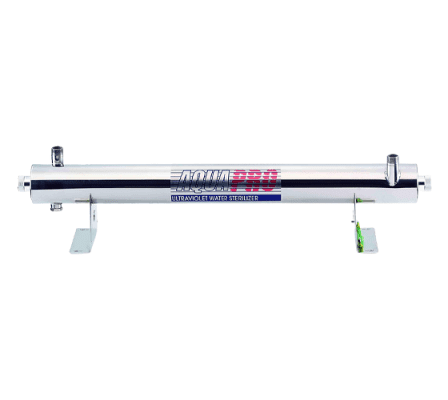
Additionally, the Wellness Water Filter includes a UV light stage, which effectively kills harmful bacteria and viruses. By offering a multi-stage filtration process, this system addresses the weaknesses of individual filters, providing a complete solution that protects your family’s health while ensuring great-tasting water.
Compared to standalone systems, the Wellness Water Filter covers all your needs—from your drinking water to the water you use for showers and appliances. This reduces the chances of long-term exposure to contaminants and prevents damage to your household appliances, ultimately saving you money on repairs and replacements.
The Verdict
So, what filtration process is the best or most pure? While reverse osmosis is one of the most comprehensive options, it does come with drawbacks like high water usage. Ultimately, the best solution is a system that combines several types of filtration, such as the Wellness Water Filter from Great Water Filters. It offers a well-rounded filtration process, ensuring your water is free from harmful contaminants and is safe for both consumption and household use.
Ready to improve your water quality? Invest in the Wellness Water Filter today and experience the benefits of clean, healthy water throughout your entire home.

COMMENTS