
Protect your family with pure water for drinking, bathing, and appliances.


Fluoride is a mineral commonly added to municipal water supplies worldwide, particularly in Australia, to reduce the prevalence of tooth decay.
While this practice has been praised for its dental benefits, particularly in preventing cavities, a growing body of research shows that overexposure to fluoride can lead to significant health issues.
As a health-conscious individual, it's essential to understand both the benefits and potential risks of fluoride exposure, especially if you're concerned about long-term health effects like dental fluorosis, skeletal fluorosis, and other systemic impacts.
Fluoride: Good for Teeth, but What About the Rest of the Body? The primary reason for adding fluoride to water is to strengthen teeth and prevent cavities, especially in young children. According to the World Health Organization (WHO), fluoride, at low concentrations (around 0.7 to 1.0 parts per million), has proven benefits in reducing dental caries or cavities. However, the balance between preventing dental issues and avoiding overexposure to fluoride is a fine one¹².
While fluoride helps protect teeth, long-term and excessive intake of this mineral—whether through drinking water, toothpaste, or even foods prepared with fluoridated water—can lead to unwanted health consequences.
Dental Fluorosis: The First Visible Sign
One of the first visible signs of overexposure to fluoride is dental fluorosis. This condition manifests as white or brown streaks on the teeth, particularly among children exposed to high levels of fluoride during the early stages of tooth development. While considered mostly a cosmetic issue, the increasing prevalence of dental fluorosis worldwide is concerning. In fact, studies in the United States have shown that 41% of children aged 12-15 exhibit some degree of dental fluorosis².
Though mild dental fluorosis may not seem serious, it's an indicator that the body is absorbing more fluoride than it should, which could pose further risks as the individual ages.
Skeletal Fluorosis: A Long-Term Concern
A more severe outcome of long-term fluoride exposure is skeletal fluorosis, a condition where excess fluoride builds up in bones, leading to joint stiffness, pain, and increased susceptibility to fractures. The bones become denser but more brittle, which is the opposite of what healthy bones should be. Over time, skeletal fluorosis can impair mobility and reduce quality of life, particularly in older individuals³.
In regions where fluoride naturally occurs at high levels in drinking water, such as parts of India and China, skeletal fluorosis is a widespread public health issue. However, even in countries like Australia, where fluoride is intentionally added to water, prolonged exposure can lead to elevated fluoride levels in the body, potentially causing bone issues over time²³.
Thyroid and Other Systemic Effects
Emerging research has also begun to explore the potential link between fluoride exposure and thyroid health. Some studies suggest that fluoride can interfere with thyroid function, particularly by disrupting calcium metabolism, which is essential for bone and tooth formation. Impaired thyroid function can lead to a range of health issues, including weight gain, fatigue, and weakened bone structure, further exacerbating the risk of skeletal fluorosis³.
Fluoride: A Controversial Public Health Measure
Although fluoride has long been hailed as a tool to fight tooth decay, more countries are reconsidering water fluoridation due to growing evidence of its potential risks. Many European nations stopped adding fluoride to public water supplies in the 1970s, opting instead for targeted dental programs and fluoride toothpaste. However, in countries like Australia, fluoridation remains widespread, and there are no current plans to halt the practice²³.
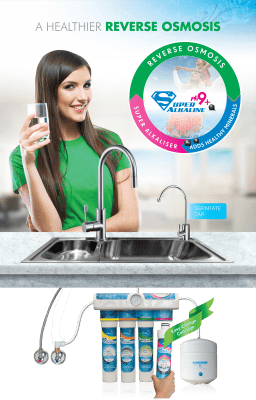
ES3 Reverse Osmosis Filters
How to Reduce Fluoride Exposure in Your Home
If you're concerned about the amount of fluoride in your water, investing in a reverse osmosis filtration system is one of the most effective ways to remove fluoride from your drinking water. Unlike regular carbon filters, which are ineffective against fluoride, reverse osmosis systems use a semipermeable membrane to filter out 99% of fluoride along with other contaminants.
- The ES3 Reverse Osmosis Water Filter offered by Great Water Filters is specifically designed to remove fluoride and other harmful chemicals from tap water, ensuring that your drinking water is clean and safe. The system uses multiple stages of filtration, including a sediment pre-filter, activated carbon, and the reverse osmosis membrane, to deliver purified water to your tap.
Balancing Benefits and Risks or Fluoride in Water
While fluoride has been instrumental in reducing tooth decay, overexposure to it can lead to significant health issues, including dental and skeletal fluorosis. Understanding the potential risks associated with long-term fluoride intake, especially through drinking water, is crucial for making informed decisions about your health. If you're concerned about fluoride exposure in your household, consider installing a reverse osmosis water filtration system to ensure your water is free from excess fluoride and other contaminants. Protect your health and your family's well-being by choosing safe, fluoride-free water.
Sources:
COMMENTS