
Protect your family with pure water for drinking, bathing, and appliances.

.webp?width=300&name=Hydration-1-1205x800.jpg%20(1).webp)
A Comprehensive Guide to Staying Hydrated Throughout the Day
Hydration plays a critical role in our overall health and well-being, regardless of our daily activities. Whether you're an office worker, a labourer, or a stay-at-home parent, maintaining proper hydration is essential for optimal physical and mental performance. Hydration impacts everything from cognitive function to endurance, and the quality of the water we consume can make a difference in how well our bodies function. In this guide, we will dive deep into why hydration is so important, how to maintain an adequate water intake, and how an alkaline water filter can provide additional health benefits.
At the end of this post, we will also introduce you to the Elite Series 2 Alkaline Water Filter, which is designed to deliver purified, alkaline water that helps maintain your body’s pH balance and provides essential minerals.
The Importance of Hydration
Why hydration is so important becomes apparent when we consider how much of our body is composed of water. Water makes up roughly 60% of our body weight and is involved in many critical bodily functions, including regulating body temperature, lubricating joints, aiding digestion, and flushing out waste through urination, perspiration, and bowel movements.
When you stay properly hydrated, you support all these functions, ensuring that your body operates efficiently. However, when your fluid intake is insufficient, even mild dehydration can impact your mental and physical performance.
The Impact of Hydration on Different Lifestyles
1. Office Workers and Mental Clarity
For those working in an office environment, maintaining hydration is crucial for mental clarity and focus. Studies have shown that even mild dehydration can impair cognitive function, reduce attention span, and negatively impact mood. Office workers who fail to drink enough water throughout the day may experience fatigue, difficulty concentrating, and headaches. By keeping a steady daily water intake, office workers can support sustained mental energy, productivity, and overall mood.
2. Labourers and Physical Endurance
For labourers or those with physically demanding jobs, the importance of staying hydrated cannot be overstated. Water is necessary for regulating body temperature, which is especially critical during heavy physical work or exercise. Adequate fluid intake helps prevent overheating, muscle cramps, and fatigue. As physical activity increases fluid loss through sweating, it's essential to replenish the body's lost fluids to maintain endurance, power, and stamina.
3. Stay-at-Home Parents: Balancing Mental and Physical Stress
Stay-at-home parents often experience a combination of physical and mental stress. From running after children to managing a household, the demands can be both mentally and physically exhausting. Proper hydration helps parents manage these stresses by improving focus, reducing fatigue, and supporting energy levels. By drinking plenty of water, they can handle the day’s challenges more effectively, whether it’s keeping up with energetic kids or juggling a to-do list.
The Role of Water in Maintaining Optimal Health
Beyond supporting daily tasks, hydration plays a long-term role in maintaining good health. Consistent water intake helps prevent various health issues, such as:- Kidney Stones: Drinking enough water helps dilute substances in urine that can form stones. Those prone to kidney stones are often advised to increase their fluid intake to reduce the risk of recurrence.
- Mild Dehydration Symptoms: When the body is mildly dehydrated, symptoms like dry skin, dizziness, and feeling thirsty become common. These symptoms are signs that the body requires more fluids, and ignoring them can lead to more severe dehydration.
- Digestion and Detoxification: Drinking water aids in digestion, helps prevent constipation, and supports the kidneys in flushing out toxins from the bloodstream. It’s essential to stay hydrated to keep these processes functioning smoothly.
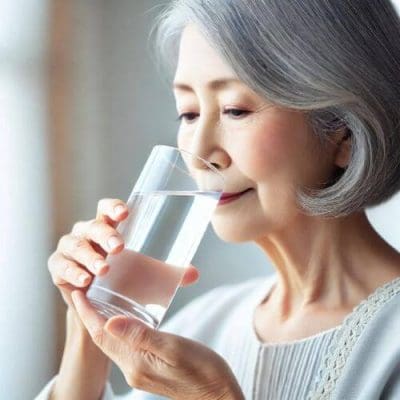
People who have a Busy Lifestyle
Hydration for Older Adults
As we age, the body’s ability to conserve water decreases, making older adults more susceptible to dehydration. Additionally, older people often have a reduced sense of thirst, which can lead to lower water intake. For this reason, staying aware of how much water is consumed throughout the day becomes even more important. Proper hydration can help reduce the risk of kidney problems, improve joint lubrication, and prevent other complications associated with aging.
The Benefits of Drinking Water for Physical Activity
For individuals engaged in regular physical activity, maintaining adequate hydration is critical for both performance and recovery. During exercise, the body loses fluids through sweat, which need to be replenished to avoid dehydration. Inadequate fluid intake during and after physical exertion can lead to decreased performance, dizziness, and heat exhaustion. Whether you’re going for a run, lifting weights, or engaging in sports, drinking water before, during, and after physical activity helps your body stay hydrated, maintain temperature regulation, and recover efficiently.
How Much Water Should You Drink?
While the amount of water a person needs can vary depending on individual factors such as body size, activity level, and climate, general recommendations suggest:
- For women: Aim for about 1.5–2 litres (or roughly 6–8 glasses of water a day).
- For men: Aim for about 2.5 litres (or 8–10 glasses of water a day).
Keep in mind that foods with high water content, such as fruits and vegetables, also contribute to your overall daily water intake. Drinks like coffee or tea can help with hydration, but be mindful that caffeine may increase the frequency of urination, which could lead to fluid loss in some individuals.
Hydration and Balanced pH Levels
In addition to ensuring you consume enough water each day, the type of water you drink can have a meaningful impact on your health. Alkaline water, which has a higher pH level than regular water, has become a popular choice due to its ability to balance the body's natural pH. A balanced pH can help neutralise excess acidity in the body, support immune function, and promote overall well-being
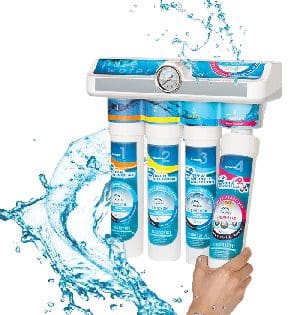
Elite Series 2 - Alkaline Water Filter System
The Benefits of an Alkaline Water Filter
The quality of the water you drink can also affect how well you stay hydrated. Alkaline water filters, such as the Elite Series 2 Alkaline Water Filter, offer an excellent solution for anyone looking to enhance their hydration routine. These filters are designed to:
- Balance the Body’s pH Value: By filtering out harmful contaminants and providing alkaline water, the Elite Series 2 filter helps to balance your body’s pH level.
- Add Essential Minerals: Unlike traditional water filters, the Elite Series 2 reintroduces healthy minerals such as calcium and magnesium, which are essential for maintaining bone health and supporting the body’s overall function.
- Deliver Clean and Pure Water: This filter provides clean water by removing harmful substances, ensuring that every glass of water you drink is safe and beneficial for your health.
Why You Should Choose the Elite Series 2 Alkaline Water Filter
- Smart Design: This water filter is thoughtfully designed to fit seamlessly into your daily routine. It’s compact, easy to install, and provides a steady supply of pure water that’s free from contaminants.
- Health Benefits: Drinking alkaline water from the Elite Series 2 filter can help you maintain a balanced pH level, reduce the risk of mild dehydration, and support your body's overall hydration needs.
- Customer Service: With Great Water Filters, you can rely on exceptional customer service, ensuring that you always have access to support for your water filtration needs.
6 Tips to Stay Hydrated Throughout the Day
- Drink a glass of water first thing in the morning: Kick-start your hydration by drinking a glass of water right after waking up to replenish the fluids you lose overnight.
- Keep a water bottle with you: Whether you're at work, at the gym, or at home, having a water bottle nearby reminds you to take regular sips throughout the day.
- Increase your fluid intake during physical activity: When engaging in physical activity, make sure to drink more water before, during, and after exercise to replace the fluids you lose through sweat.
- Eat fruits and vegetables high in water content: Foods like cucumbers, watermelons, oranges, and lettuce can help you stay hydrated by contributing to your overall water intake.
- Limit alcohol and caffeine: Drinks like alcohol and caffeinated beverages can dehydrate your body, so it's best to limit their consumption and replace them with water or herbal teas.
- Set hydration goals: Aim for at least 6-8 glasses of water per day for women and 8-10 glasses for men. Setting a hydration goal can keep you on track throughout the day.

COMMENTS