
Protect your family with pure water for drinking, bathing, and appliances.

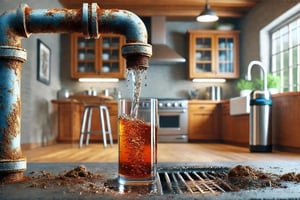
What’s in Your Water Pipes? How is Affecting your Health?
If you’ve recently purchased an older home or are living in a property built before the 1980s in Australia, it’s time to think about what’s flowing through your water pipes.
Old homes often have outdated plumbing systems that can introduce contaminants into your water supply, posing health risks for you and your family. From lead to copper corrosion and asbestos fibres, the materials used in older plumbing systems can have serious consequences. In this post, we’ll explore the common issues with old piping, the health risks they present, and why investing in a whole house water filter is a smart choice for homes with aging plumbing.

The State of Water Quality in Older Australian Homes
Many Australian homes built before the 1980s were constructed with plumbing systems that have since become outdated and potentially hazardous. Over time, these pipes begin to degrade, corrode, and leach harmful substances into the water supply. The situation is worsened by Australia’s naturally hard water, which can further speed up the corrosion process, leading to water contamination.
What Were Old Water Pipes Made Of?
Older plumbing systems used a variety of materials, many of which are now known to pose health risks:
1. Galvanised Iron Pipes
- Used In: Many homes built before the 1960s.
- Issues: These pipes are prone to rust and corrosion, which can cause iron and other metals to leach into the water. The rust particles can not only alter the water’s taste and colour but also lead to the accumulation of sediment that fosters bacterial growth.
- Health Risks: Con
- suming water with high iron levels can cause gastrointestinal issues and exacerbate conditions in people with hemochromatosis (iron overload). Corroded pipes also create an ideal environment for bacterial regrowth, introducing pathogens into your water supply.
2. Copper Pipes
- Used In: Common in homes built in the 1960s and onwards.
- Issues: While copper pipes are more durable, they are susceptible to corrosion over time, particularly in areas with hard or acidic water. This corrosion releases copper particles into the water supply.
- Health Risks: High levels of copper in drinking water can cause nausea, vomiting, and abdominal pain. Long-term exposure may lead to liver and kidney damage, particularly in vulnerable populations like infants.
3. Lead Pipes and Solder
- Used In: Homes built before the mid-1970s, often in pipe joints and plumbing fixtures.
- Issues: Lead pipes and solder were once widely used for their malleability and durability. However, as these materials age, they can leach lead into the water, especially when water sits in the pipes for extended periods.
- Health Risks: Lead is a potent neurotoxin, particularly dangerous for children, causing developmental delays, behavioural problems, and cognitive impairments. Even low levels of lead exposure can have severe health consequences.
4. Asbestos Cement Pipes
- Used In: Certain areas in Australia, primarily for water mains.
- Issues: While asbestos pipes are generally safe when intact, they can become a concern if they deteriorate or are disturbed during repairs. Asbestos fibres can then enter the water supply.
- Health Risks: Although the risk of asbestos ingestion through water is lower compared to inhalation, there are concerns about potential links to gastrointestinal cancers with long-term exposure.
5. Plastic Pipes (Early PVC and Polyethylene)
- Used In: Homes built during the late 1970s and early 1980s.
- Issues: Some early plastic pipes were made with materials that could degrade over time, leaching hydrocarbons and other chemicals into the water supply.
- Health Risks: The chemicals leached from old plastic pipes may act as endocrine disruptors, interfering with hormone function and potentially increasing the risk of various health issues.
The Health Concerns of Old Pipes
With decaying pipes, the risk of water contamination increases, including exposure to heavy metals like lead, copper, and iron, as well as bacteria and chemicals from deteriorating materials. These contaminants can result in:- Neurological issues from lead exposure.
- Gastrointestinal problems caused by high levels of copper and iron.
- Increased cancer risk from asbestos and chemical exposure.
- Bacterial infections due to bacterial regrowth in corroded pipes.

ES5Q | Whole House Water Filter
How Whole House Water Filters Address These Problems
Given the potential health risks associated with aging plumbing systems, installing a whole house water filter is an effective solution to protect your household. Here’s how the Elite Series 5 Whole House Water Filter can help:
1. Removes Heavy Metals and Sediment
The Elite Series 5 Whole House Water Filter uses a multi-stage filtration process to remove contaminants such as lead, copper, iron, and sediment. Its carbon block technology adsorbs heavy metals, ensuring that the water you consume is free from harmful substances that may leach from old pipes.
2. Inhibits Bacterial Growth
Older pipes with rust and sediment can harbour bacteria, potentially leading to waterborne illnesses. The Elite Series 5 filters out sediment, dirt, and organic matter, which are the breeding grounds for bacteria. By removing these particles, it reduces the risk of bacterial regrowth and ensures that every tap in your home dispenses clean water.
3. Improves Water Taste and Quality
Old pipes can affect the taste, odour, and appearance of your water. By filtering out rust, sediment, and other impurities, the whole house water filter improves water quality, making it safe and pleasant to drink, cook with, and bathe in.
4. Protects Your Plumbing and Appliances
The Elite Series 5 not only purifies your water but also helps protect your plumbing and household appliances from scale buildup and corrosion. By filtering out contaminants before they enter your home’s water system, it extends the lifespan of your appliances and prevents the leaching of chemicals from the pipes themselves.
A Necessary Upgrade for Older Homes
If you live in an older home or have recently purchased one, it’s crucial to address the potential health risks posed by decaying pipes. Installing a whole house water filter, like the Elite Series 5 Whole House Water Filter, is a proactive way to ensure that every drop of water in your home is clean, safe, and free from harmful contaminants. Don’t let old pipes compromise your family’s health. Upgrade to a whole house water filter today to enjoy pure, contaminant-free water from every tap in your home. Explore the Elite Series 5 to safeguard your water supply and provide peace of mind for your household.

COMMENTS