
Protect your family with pure water for drinking, bathing, and appliances.

The Great Barrier Reef, one of the world’s seven natural wonders, is home to over 1,500 species of fish, 134 species of sharks and rays, as well as turtles, dolphins, and countless other sea-life.
It’s also one of the most popular snorkelling and diving destinations globally, attracting visitors eager to explore its vibrant marine ecosystem.
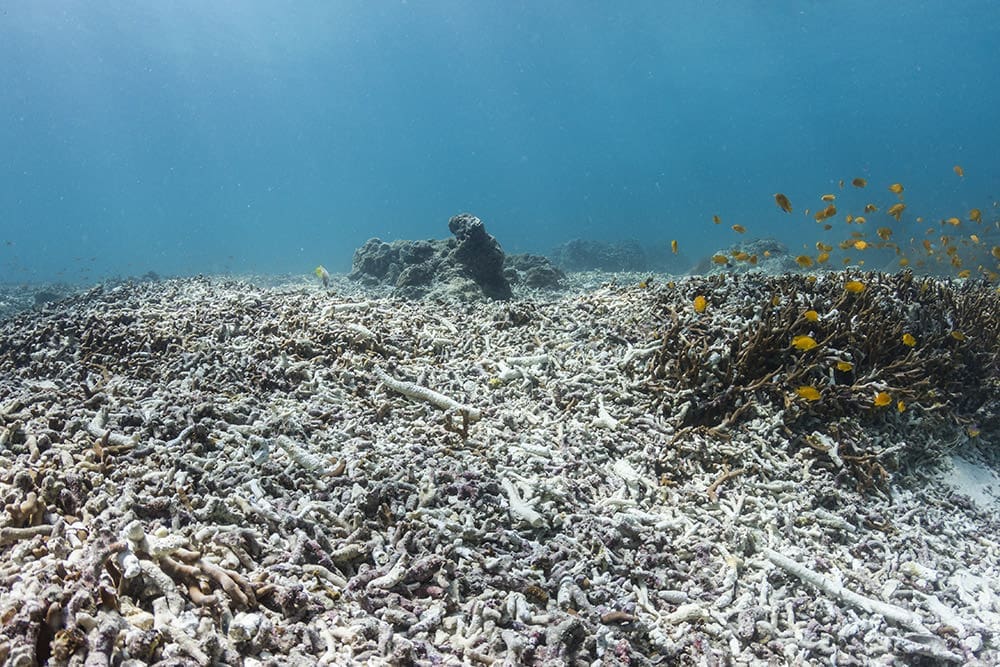
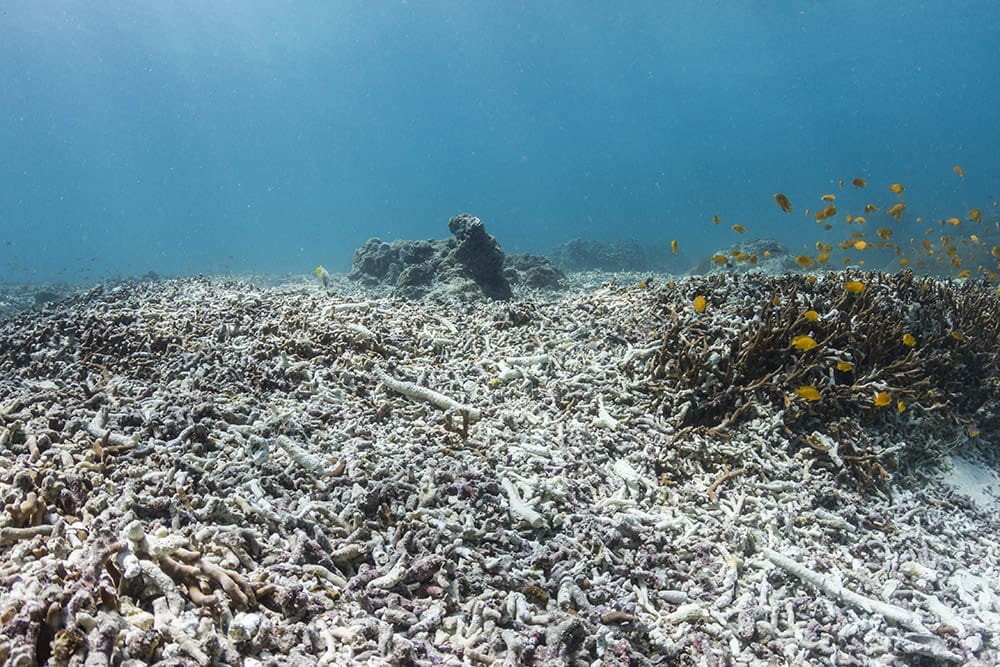
However, the reef faces significant threats from climate change, overfishing, and, most critically, water pollution.
This pollution has already led to the destruction of large portions of the reef’s coral systems, causing global concern about its future survival. The need to take action is urgent, and every individual can play a role in protecting the reef from further damage.
The Impact of Carbon Dioxide on the Reef
Increased levels of carbon dioxide in the atmosphere are one of the main contributors to the reef’s decline. A report on the Reef Outlook has predicted that once carbon dioxide levels reach 500 ppm, the ecosystem of the Great Barrier Reef will be severely compromised. This includes threats to species like seabirds, fish, marine reptiles, and plankton. At this concentration, coral reefs could erode rapidly, and hard corals may become functionally extinct.
Reducing carbon emissions is critical to the long-term survival of the Great Barrier Reef. While global efforts are needed to lower emissions, individuals can contribute by making sustainable choices in their daily lives, such as minimising the use of fossil fuels.
Water Pollution: A Major Threat
Water pollution is another serious issue threatening the reef. Pollutants from urban runoff, agricultural practices, and improper waste management are harming the marine ecosystem. Fortunately, there are several steps we can take to reduce water pollution and help protect the reef:
- Use environmentally friendly cleaners and fertilisers.
- Wash your car on the lawn to prevent detergent runoff into drains.
- Switch to reusable shopping bags instead of plastic.
- Keep drains, sinks, and gutters free of chemicals and trash that could end up in the ocean.
- Avoid single-use plastics, such as water bottles, and always take your rubbish home.
- Walk or cycle whenever possible instead of driving.
- Never take souvenirs from the reef, such as coral or shells – these are part of the reef’s natural living system.
The Great Barrier Reef is the world’s largest living reef system, and it’s clear that we must all take responsibility to prevent further damage. Every action counts in the fight against water pollution.
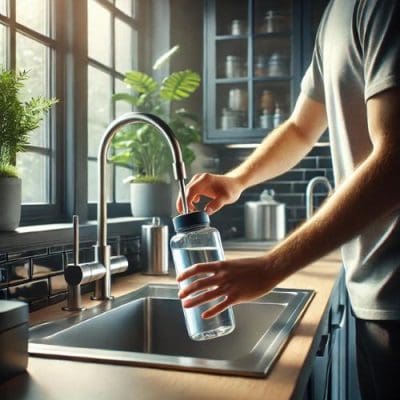
Choose Re-Usable Water Mugs Over Bottled Water
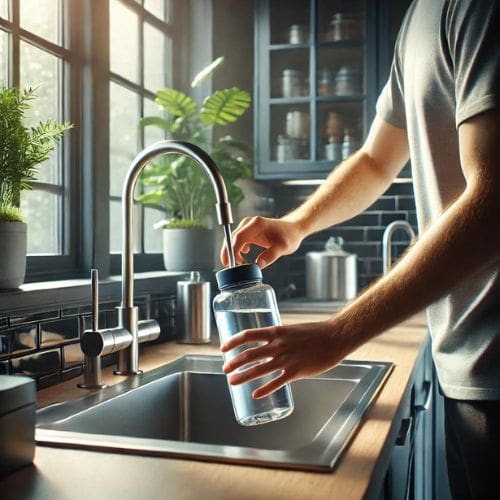
One simple yet impactful way to reduce plastic pollution is by switching from bottled water to re-usable water mugs or containers. Did you know that over a million plastic bottles are bought worldwide every minute? This staggering figure is expected to rise by 20% by 2021, which will exacerbate the plastic pollution crisis in our oceans.
Bottled water is convenient, but its environmental cost is enormous. In just a few years, the amount of plastic in our oceans could outweigh the number of fish. This plastic waste not only harms marine life but also affects human health due to the long-term effects of plastic pollution and heavy metals entering the food chain.
By using a reusable water mug, you can help reduce plastic waste while enjoying the convenience of clean, safe drinking water.
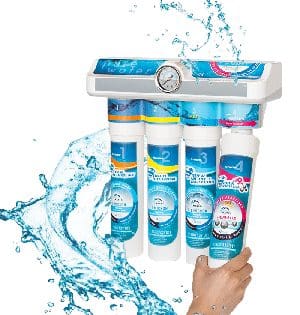
4-Stage Undersink Water Filter
How Our Water Filters Help Reduce Plastic Waste
Our water filtration systems provide you with high-quality drinking water without the need for single-use plastic bottles. Systems like our Reverse Osmosis, Whole of House, and even our most basic water purifiers remove harmful chemicals such as chlorine, pesticides, and herbicides, as well as dangerous bacteria like Salmonella and E. coli.
By installing a home water filter, you can eliminate the need for bottled water altogether, significantly cutting down on plastic pollution while ensuring your family has access to safe, clean drinking water at all times.
Take Action: Protect the Great Barrier Reef
The Great Barrier Reef is one of the most unique and precious ecosystems on Earth, and we all have a part to play in protecting it. By reducing our carbon emissions, limiting water pollution, and making sustainable choices like using reusable water containers instead of plastic bottles, we can help preserve this natural wonder for future generations.
Ready to make the switch? Compare our Water Filters and discover how you can enjoy high-quality water while reducing your environmental footprint.

COMMENTS