
Protect your family with pure water for drinking, bathing, and appliances.
Why You Should Consider Installing a Rainwater Tank?
If you don’t have a rainwater tank yet, it’s well worth considering. Not only does it help conserve a natural resource, but it also provides a practical solution to saving on water bills. By installing a rainwater tank, you can collect a large amount of water for various uses, and, despite the cost of rainwater tank filters, you’ll find yourself saving on both water and cash in the long run.
Why a Rainwater Tank is a Smart Investment
Rainwater tanks are an excellent addition to any property, especially in urban areas where water costs can add up quickly. Many people use them to collect rainwater for gardening, car washing, and even some household tasks like flushing toilets or doing laundry in washing machines. But do you know what’s actually in that water?
While rainwater collected from your roof may seem clean, it can harbor all sorts of impurities like dust, bird droppings, and even microorganisms. If you’re using that water for non-consumable purposes, it might be fine. However, for drinking or cooking, you need to be cautious, which is why rainwater tank filters are essential.
The Benefits and Drawbacks of Using a Rainwater Tank
Pros of Using a Rainwater Tank
- Lower Water Bills: Collecting rainwater can reduce your reliance on municipal water supplies, which translates into lower water bills. The more you use your rainwater for things like gardening and car washing, the less you’ll have to pay for tap water. Even though installing a rainwater tank comes with upfront costs, it pays for itself over time through consistent water savings.
- Ease of Use and Maintenance: Modern rainwater tanks, such as poly water tanks, are easy to set up and maintain. You can also choose from a wide range of options, like plastic tanks or concrete tanks, depending on your needs.
- Environmental Impact: Collecting and using rainwater contributes to water efficiency and reduces your environmental footprint. It can also help to prevent erosion in your yard by reducing the amount of runoff.
- Backup Water Supply: Rainwater tanks can serve as a backup supply in case of water shortages or droughts. This is especially useful in regions prone to dry spells.
Cons of Using a Rainwater Tank
- Water Quality Concerns: Despite being a natural resource, rainwater may not be clean enough for some uses without proper filtration. Rainwater can carry contaminants like heavy metals, organic material, and bacteria. If you’re planning to drink it, you’ll need a good filtration system, such as a combination of rainwater tank filters and a UV filter.
- Build-Up of Algae or Microorganisms: Over time, rainwater tanks can develop algae or a layer of sludge that contaminates the water further. Regular cleaning is necessary, which can lead to some water wastage.
- Material Considerations: Some materials, like plastic, can potentially leach chemicals into the water, especially when exposed to sunlight. Choose a poly rainwater tank or a concrete tank made from food-grade materials to avoid contamination.
- Potential Plumbing Issues: Unfiltered water can cause a build-up in your plumbing system, reducing water pressure and damaging your watering system or appliances.
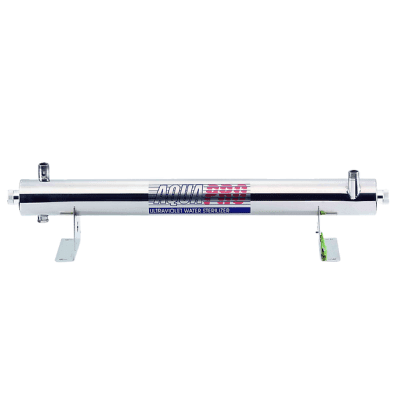
Ultra Violet (UV) - Whole House System
Can Rainwater Tank Filters Help?
Rainwater tank filters can help to purify rainwater and make it safer for consumption. However, it can be difficult to get the water to a pure enough state to drink without the right combination of filters. For the best results, it’s recommended to pair a sediment filter with a UV filter.
- Sediment filters remove physical particles such as dust, dirt, and leaves that may enter the tank with rainwater.
- UV filters kill bacteria, viruses, and other microorganisms that may be present in the water.
While this filtration process can significantly improve the quality of the rainwater, it’s still difficult to guarantee how clean the water is compared to treated tap water. Municipal water treatment plants have to meet strict quality standards, but your rainwater tank does not have the same oversight.
If you want to ensure the highest level of purity, we recommend a combination of a Whole House System along with a Reverse Osmosis Under Sink System. This setup can help remove most contaminants and provide clean, safe water for your household needs.
Browse through our range of water filter options to find a suitable solution for your rainwater filtration needs!

COMMENTS